
The Communist Party of Czechoslovakia (KSČ) seizes total monopoly of power. Democratic ministers resign; borders with Austria and West Germany begin to be closed.
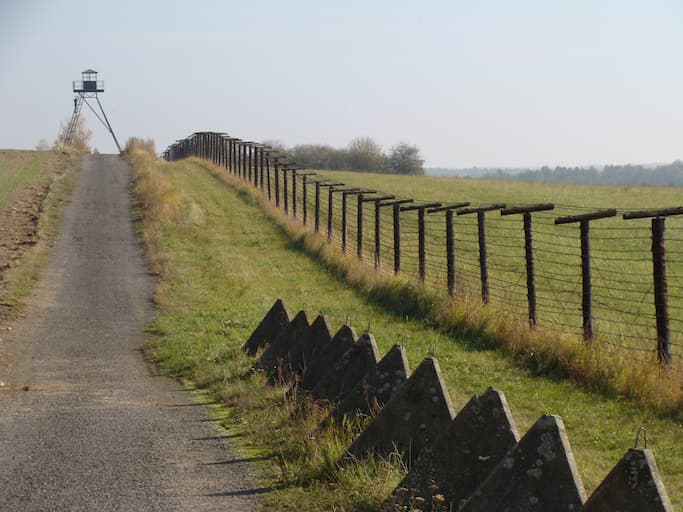
Act No. 69/1951 Coll. created the militarized Border Guard (Pohraniční stráž) with shoot-to-kill authority. A 2-to-6 km "Forbidden Zone" is cleared of all non-approved residents. Between 1948 and 1989, at least 276 civilians died at Czechoslovakia’s borders. The Slovak Nation’s Memory Institute has documented 42 deaths among people attempting to cross the Slovak section of the border to the West. More than 50,000 people were detained while attempting to cross Czechoslovakia’s borders during this period.

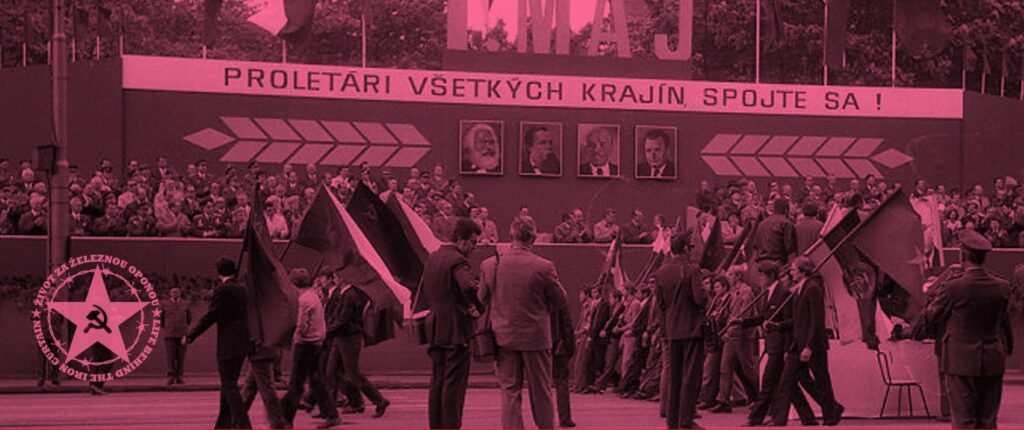
The 1950s marked the harshest period of communist rule in Czechoslovakia. The regime consolidated its power through political trials, executions, imprisonment and the persecution of political opponents, religious communities and independent voices. Farms were forcibly collectivised, private businesses were nationalised, and the state imposed strict control over the economy and public life.ent and the persecution of opponents, religious communities and independent thinkers. Private farms were forcibly collectivised, while industry and everyday life came under strict state control.
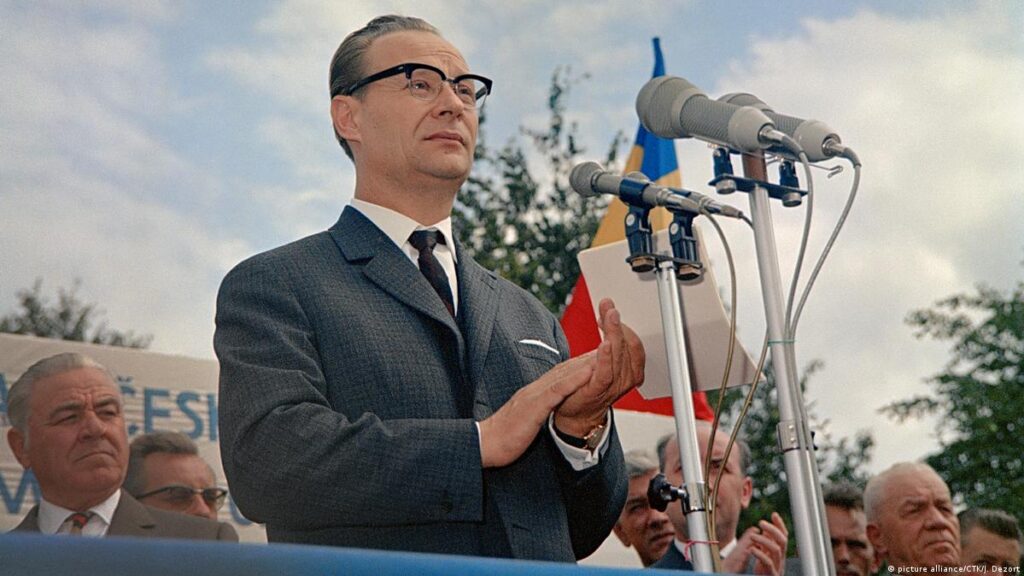
The Prague Spring reforms under Alexander Dubček, the leader of the Communist Party of Czechoslovakia, aimed to create a more open and humane socialist system, with greater freedom of speech and the press, reduced censorship, economic reforms, and more space for public debate.ce for public debate, while preserving socialist government.
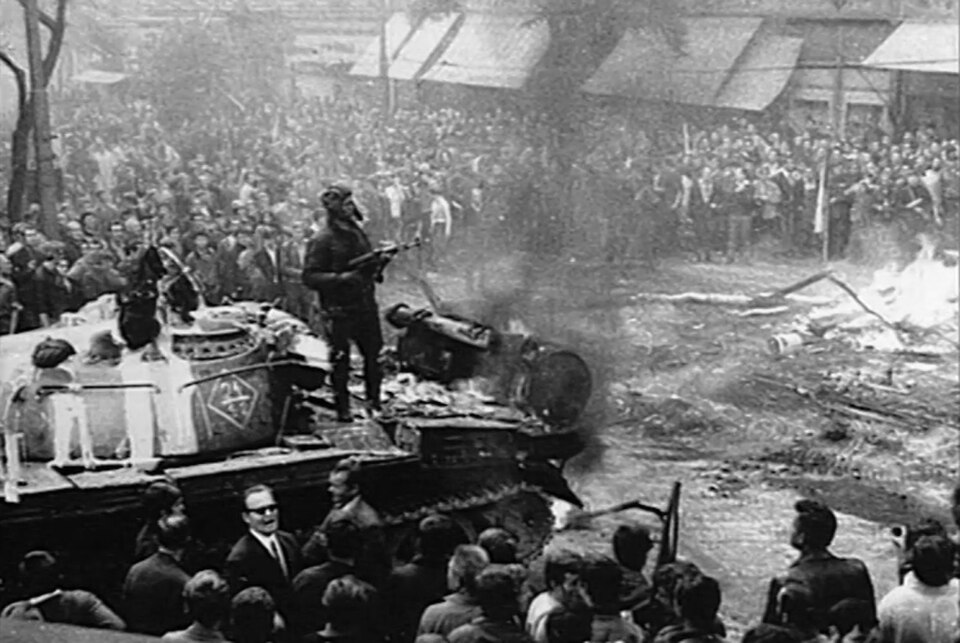
Over 200,000 Soviet, Polish, Hungarian, Bulgarian and East Germany soldiers with tanks invade Czechoslovakia to crush Praque Spring Movement led by Alexander Dubček’s idea of "Socialism with a Human Face".

Dissidents led by Václav Havel, Jan Patočka, and Jiří Hájek publish Charter 77 calling upon the regime to respect the 1975 Helsinki Accords on human rights.
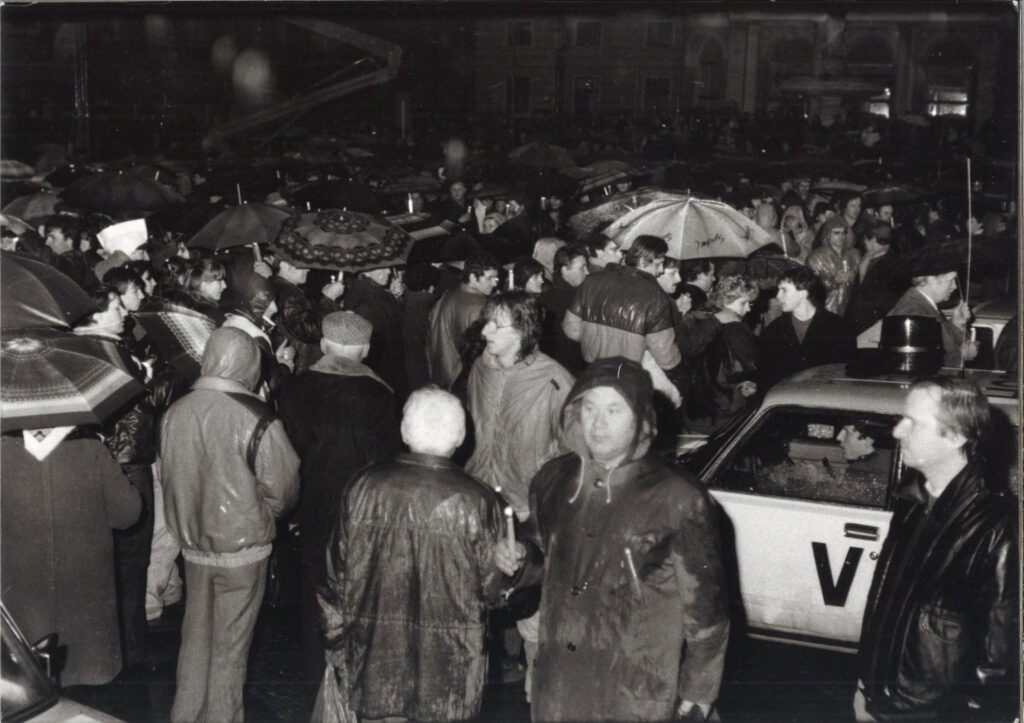
Thousands of people gathered peacefully with lit candles in Bratislava to demand religious freedom and respect for human rights. Although the communist police violently dispersed the crowd using water cannons and batons, the protest became an important symbol of resistance and helped pave the way for the Velvet Revolution in 1989.
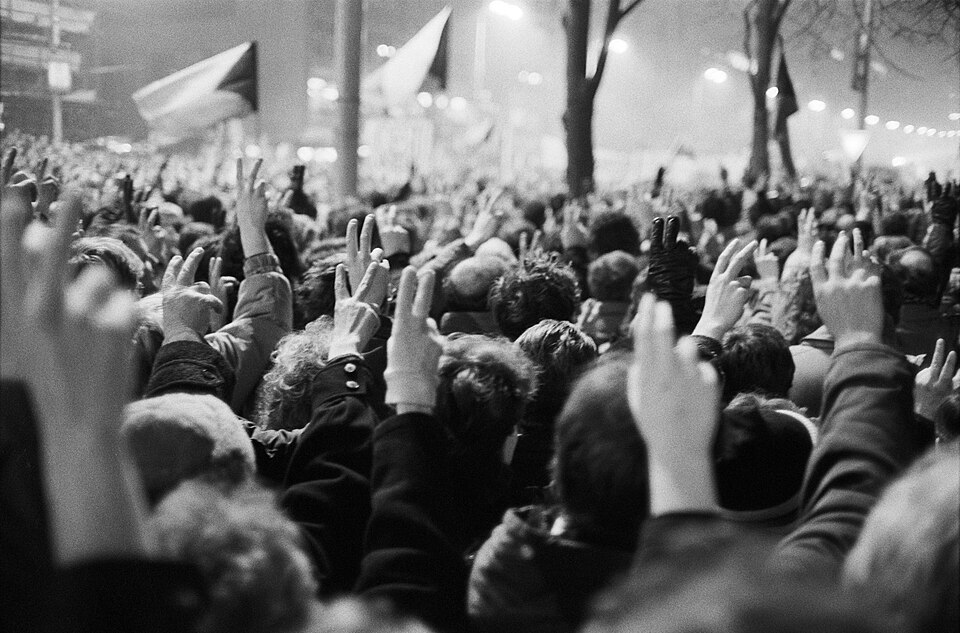
Student demonstrations spark mass general strikes. The Communist regime collapses; the borders are opened and barbed wire is dismantled by citizens.